
 Too long, I want to choose to read it.
Previously, in our "Beginner's Guide to Car Modification," we discussed how to choose the right wheel size and design. However, many car enthusiasts still have questions about wheel materials and how they affect driving performance. Today, we are going to dive deep into the different types of wheel materials!
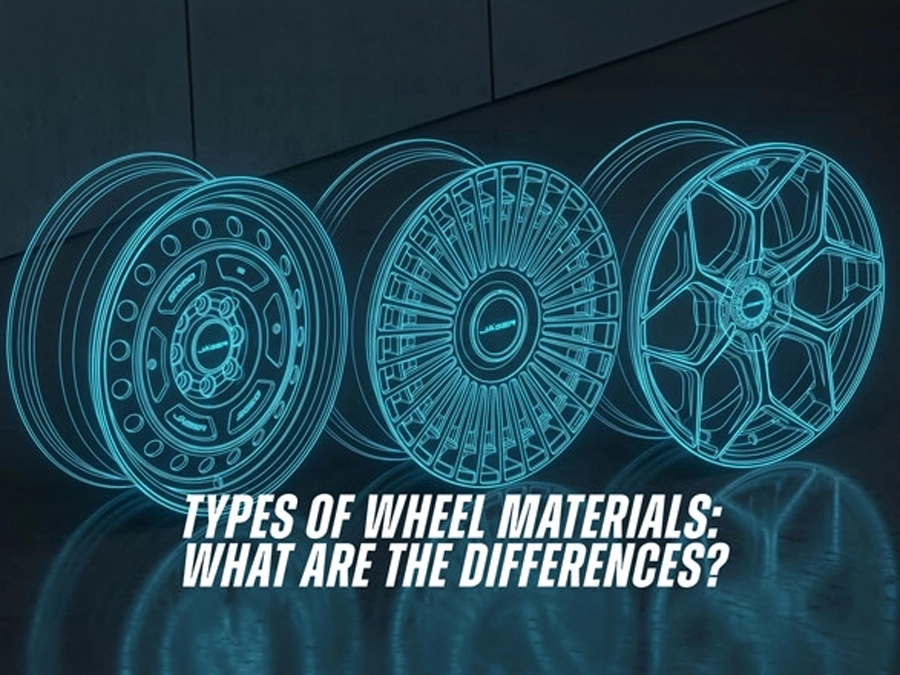
Wheels can be categorized by size, design, and most importantly, material type. In the automotive market, wheel materials are primarily divided into three categories:
This is the most basic type of wheel. They are commonly found on older vehicles or budget-friendly entry-level cars to help manufacturers reduce production costs.
Pros: Highly affordable, extremely durable, tough, and offers high safety standards.
Cons: Very heavy and comes with limited design options (often requiring plastic hubcaps for aesthetics).
This material is the origin of the term "Mag wheels," which is short for "Magnesium." (Any non-steel wheels are generally referred to as "Alloy wheels"). Magnesium alloy wheels were first produced in the 1960s specifically for Supercar racing before becoming available to the general public.
Pros: Significantly lighter than steel wheels, allowing the car to accelerate faster due to lower rolling resistance and reduced unsprung weight. They also offer a wide variety of designs.
Cons: Expensive due to high manufacturing costs. They are less robust than steel wheels, making them more suitable for smooth, paved roads.
Developed as an evolution of magnesium alloy wheels, this type aims to provide better durability at a more affordable price point. Today, aluminum alloy wheels are the most popular choice, suitable for various vehicles, including sedans, pickup trucks, and SUVs.
Pros: Lightweight, excellent heat dissipation, highly detailed and beautiful designs, and available in various wheel offsets.
Cons: The manufacturing process involves multiple complex steps, making them pricier than steel wheels.
To meet consumer demands for everyday drivability and aesthetics, Lenso Wheels exclusively manufactures Aluminum Alloy Wheels. This ensures our customers receive wheels that are lightweight, incredibly strong, and feature unique, standout designs.
If you are worried about the price, rest assured! Lenso wheels are highly affordable and offer incredible value for money. Most importantly, you can drive with confidence knowing that every Lenso wheel passes rigorous international manufacturing standards, including JWL, JWL-T, SAE, and TUV. Upgrade your ride safely and stylishly with Lenso!